WTH Walter Thieme Handel GmbH • Beguinenstr.13 • 21682 Stade

Blog EN

News from our house!

Welcome to our blog! Here you can easily and quickly find current information about our company, editorials, an extensive archive and much more.

CPE in PVC

Chlorinated Polyethylene (CPE) in PVC

Chlorinated Polyethylene (CPE) is an important additive for the production of Polyvinyl Chloride (PVC). It is used as an impact modifier and can improve the mechanical properties of the end product. Here, we will examine the properties of CPE as an impact modifier in PVC, its advantages, and limitations.

Read more

Combination of Primary and Secondary Antioxidants

Combination of Primary and Secondary Antioxidants

Plastics and elastomers play a crucial role in various industries, including automotive, electronics, construction, and packaging. However, a significant drawback of these materials is their susceptibility to degradation through various forms of oxidation, leading to a deterioration of their mechanical properties. To minimize this drawback, a combination of primary, secondary, and antioxidants is often used.

Read more

What “Quality Management” Means For WTH And Who Benefits From It?

 In the chemical industry, quality and environmental management play a crucial role in acting environmentally consciously while meeting customer requirements. The established instruments for this are the standards DIN EN ISO 9001 for quality management and DIN EN ISO 14001 for environmental management. Especially for WTH GmbH, which deals with chemical raw materials, these standards are essential to ensure efficient and sustainable operations.

Read more

Talc as a Functional Mineral

Talc as a Functional Mineral

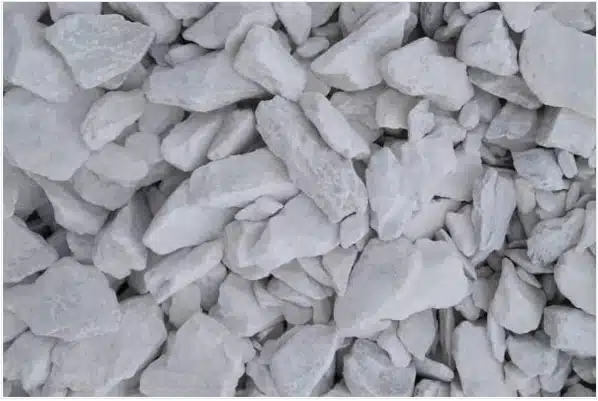
WTH/JBO – Talc offers value in many industrial applications not only as a filler but also as a functional mineral, depending on its origin and purity. This value extends to industries such as paper production, paint and putty manufacturing, plastics, rubber, ceramics, food, pharmaceuticals, and cosmetics. Talc can be found in products like automotive parts (bumpers, dashboards, plastic engine components), construction and plastic materials (e.g., window profiles, WPC), household appliances, plastic pipes, food packaging (e.g., margarine tubs), and technical rubber articles (e.g., hoses). Here, we delve into its properties, advantages, and disadvantages.

Read more

KUTENO: Networking

KUTENO: Networking

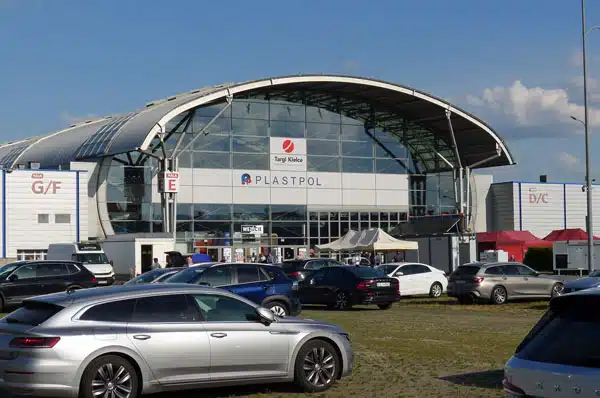
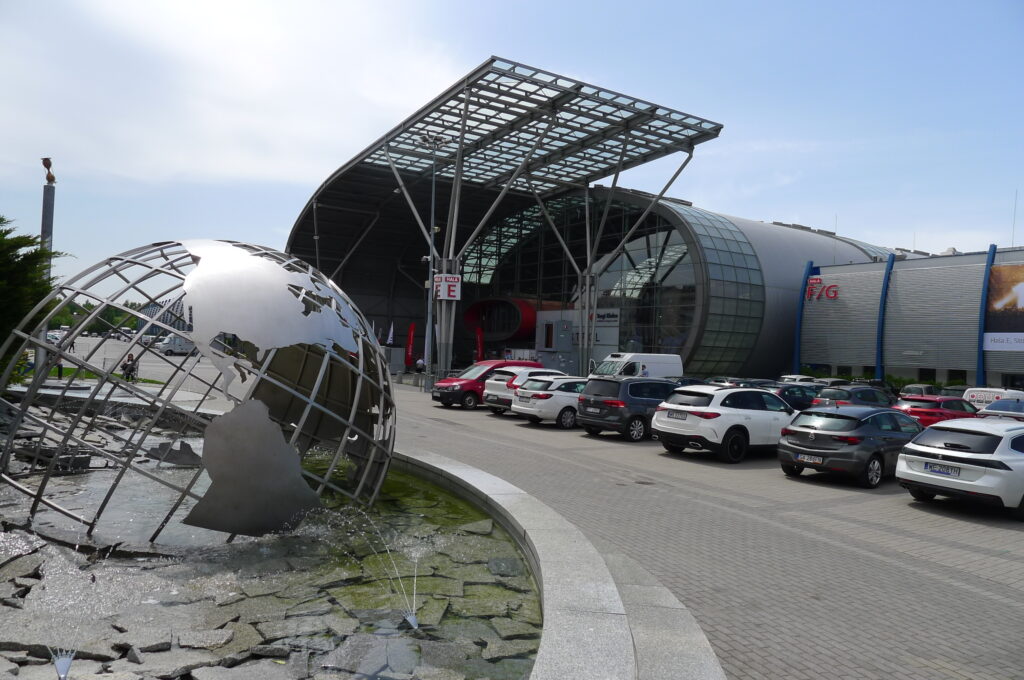
(mud) – A WTH trade fair team is already preparing for its deployment in North Rhine-Westphalia. The crew is planning a trip to Rheda-Wiedenbrück, where they will participate in the regional trade fair KUTENO from May 14th to 16th. It is the first time that WTH GmbH is attending this event.

Read more

Why Antioxidants?

Why Antioxidants?

Plastics and elastomers are essential materials in various industries, such as the automotive, electrical and electronics, and packaging industries. To ensure their quality and durability, primary and secondary antioxidants are frequently added to these materials. Here, the different mechanisms of action of primary and secondary antioxidants, as well as their combinations in plastics and elastomers, are explained.

Read more

Three Exhibitions in 2024

(mud) – The trade fair experts of the WTH staff are already diligently preparing for the trade fair year 2024. As “old hands,” they know that comprehensive and, above all, timely preparation is the “alpha and omega” of success. WTH CEO Gero Thieme: “The team is shouldering three major appearances this year – including a brand-new contender for us in North Rhine-Westphalia”.

Read more

Melamine Derivatives as Flame Retardants

Melamine Derivatives

Melamine derivatives such as melamine cyanurate and melamine polyphosphate are widely used flame retardants in various plastics. They reduce flammability and smoke development. Here, we will explore in detail the properties, advantages, and limitations of melamine derivatives as flame retardants.

Read more

Nothing works without containers anymore

(WTH/mud) – Thousands upon thousands of containers are transported around the globe every day. Without them, the global flow of goods would hardly be as smooth. Container giants have completely replaced break-bulk ships. Thanks to these “transport boxes,” goods can now be transported in unimaginable quantities to any location in the world in the shortest amount of time. Moreover, they can be delivered to their destinations by ship, airplane, train, or truck without the need for unloading and reloading. The assertion that they have revolutionized the transportation industry is by no means an exaggeration.

Read more
Search
Search