Thermoplastic Elastomers:
Flame Retardants in Styrene Block Copolymers (SBS, SIS) – Part 5
For automotive and cable applications, flame retardants in SBS/SIS TPEs must not only reduce flammability but also ensure mechanical flexibility, UV stability, and temperature resistance. Additionally, regulations such as UL94, DIN EN 50642 (halogen-free for cables), and FMVSS 302 (automotive interiors) must be considered.
Recommended Flame Retardants for SBS/SIS TPEs in Automotive and Cable Applications
For environmentally friendly applications, halogen-free flame retardants are of particular interest.
These include:
Phosphorus-based flame retardants, such as ammonium polyphosphate (APP), which acts as an intumescent system and is particularly effective for low-density TPEs.
Under the trade name Addforce FR APP, WTH supplies various APP grades.
Organophosphates (e.g., resorcinol-bis(diphenyl phosphate) (RDP) or triphenyl phosphate (TPP)) are also suitable as flame retardants, offering good compatibility with TPEs while increasing softness.
Phosphorus-nitrogen combinations are particularly effective at low dosages.
Under the trade name WTH-Ester, WTH supplies various phosphate plasticizers.
Mineral flame retardants, also known as flame-retardant fillers, include:
Magnesium hydroxide (MDH), which provides excellent thermal stability, making it ideal for cable sheathing. Aluminum hydroxide (ATH), which is also effective. However, both require high dosages (>50%), which can negatively impact the mechanical properties of TPEs.
Halogenated systems offer high efficiency at low dosages but are increasingly regulated.
Brominated flame retardants (e.g., decabromodiphenyl ether, TBBPA) are highly effective but environmentally harmful. Chlorinated paraffins, once commonly used, have been replaced by halogen-free alternatives. Antimony trioxide is sometimes used for its synergistic effect with halogen donors, but its importance is declining.
Recommendations Based on Application
Automotive Interior Parts (FMVSS 302, DIN 75200)
Halogen-free is preferred, making phosphorus-based systems (APP, RDP, TPP) suitable for good mechanical properties. Intumescent systems (APP + pentaerythritol + melamine) provide self-extinguishing properties.
WTH supplies these under the trade names Addforce FR APP, Addforce FR Penta, Addforce FR FA, and WTH-Ester.
Cable Sheathing (DIN EN 50642, UL 94 V-0, IEC 60332-1)
Halogen-free is often mandatory.
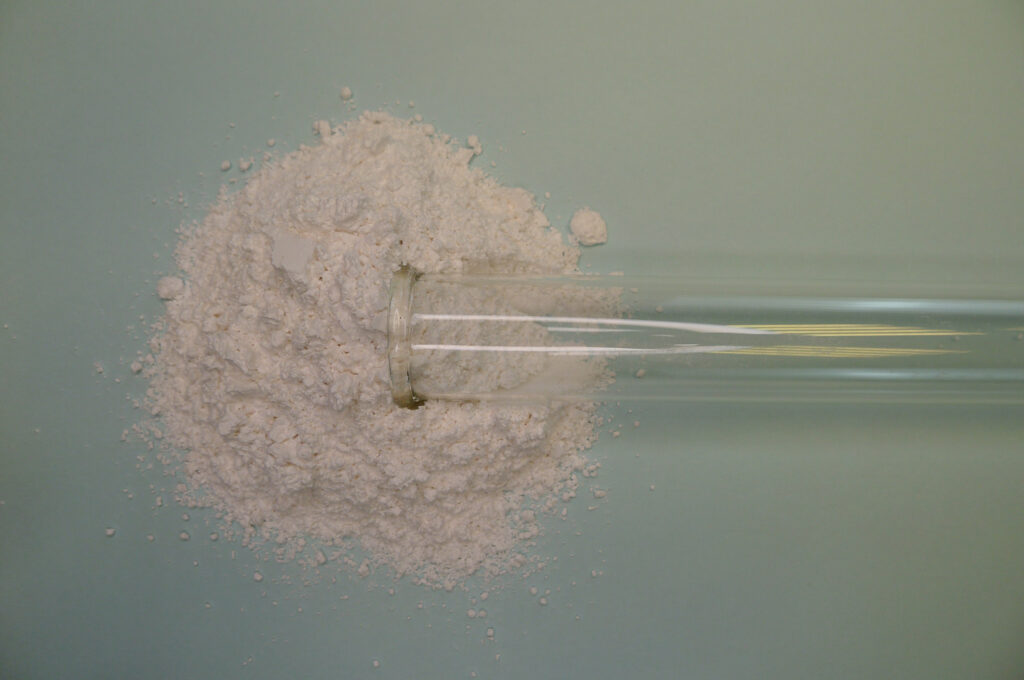
Due to its high thermal stability, magnesium hydroxide (MDH) is preferred, while aluminum hydroxide (ATH) can be used at lower processing temperatures. Phosphorus-nitrogen combinations offer an alternative at lower dosages.
WTH supplies these under the trade names Addforce FR S, Addforce FR M2, Reflamal, and WTH-Etifine.
Conclusion and Selection Guide
- Environmentally friendly and regulatory-compliant (RoHS, halogen-free)? → MDH, APP, intumescent systems
- Maximum flame-retardant effect at low dosages? → Halogenated systems (if allowed)
- Preserve mechanical softness and elasticity? → RDP, TPP (Organophosphates)