Incoterms® as a Success Factor in Overseas Imports:
Clear Rules for WTH GmbH
For internationally operating trading companies such as WTH GmbH, Incoterms® are far more than mere delivery clauses. Especially with imports from overseas – primarily Asia – and subsequent distribution within the German and EU markets, they provide clarity regarding cost allocation, risk transfer, insurance obligations, and customs responsibilities. When applied correctly, Incoterms® reduce disputes, increase planning reliability, and form a central pillar of professional supply chain management.
Importance of Incoterms® in International and Domestic Trade
Incoterms® do not regulate the sales contract itself, but specify key aspects such as transfer of risk, allocation of costs, organization of transport, insurance coverage, and customs obligations between buyer and seller. For WTH GmbH, this is particularly relevant because:
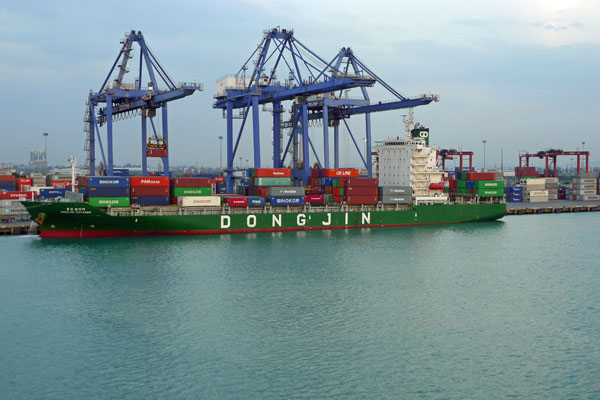
- Long transport routes and multimodal logistics (sea, air, road) are involved,
- different customs regimes apply (third country → EU → internal market),
- high cargo values and complex supply chain risks exist.
Even within the EU internal market, Incoterms® are useful to clearly define responsibilities for transport, insurance, and documentation.
Information and Cooperation Obligations of the Contracting Parties

Incoterms® are only effective if both parties fulfill their information and cooperation duties. These include in particular:
- accurate description of goods, HS codes, and customs tariff numbers,
- provision of commercial documents (invoice, packing list, certificates of origin),
- timely information on export and import licenses,
- transparent details regarding insurance coverage and insured values.
In practice, unclear or delayed information frequently leads to customs delays, additional costs, or liability risks—especially for imports from Asia.
Key Incoterms® at a Glance (Insurance & Customs Perspective)

EXW – Ex Works
- Risk & costs: transfer very early to the buyer (upon provision at the seller’s premises).
- Insurance: no obligation for the seller; the buyer must arrange full transport insurance.
- Customs: buyer is responsible for export and import customs clearance – often impractical in overseas trade.
Assessment: problematic for international imports, as the buyer has limited control over export processes.
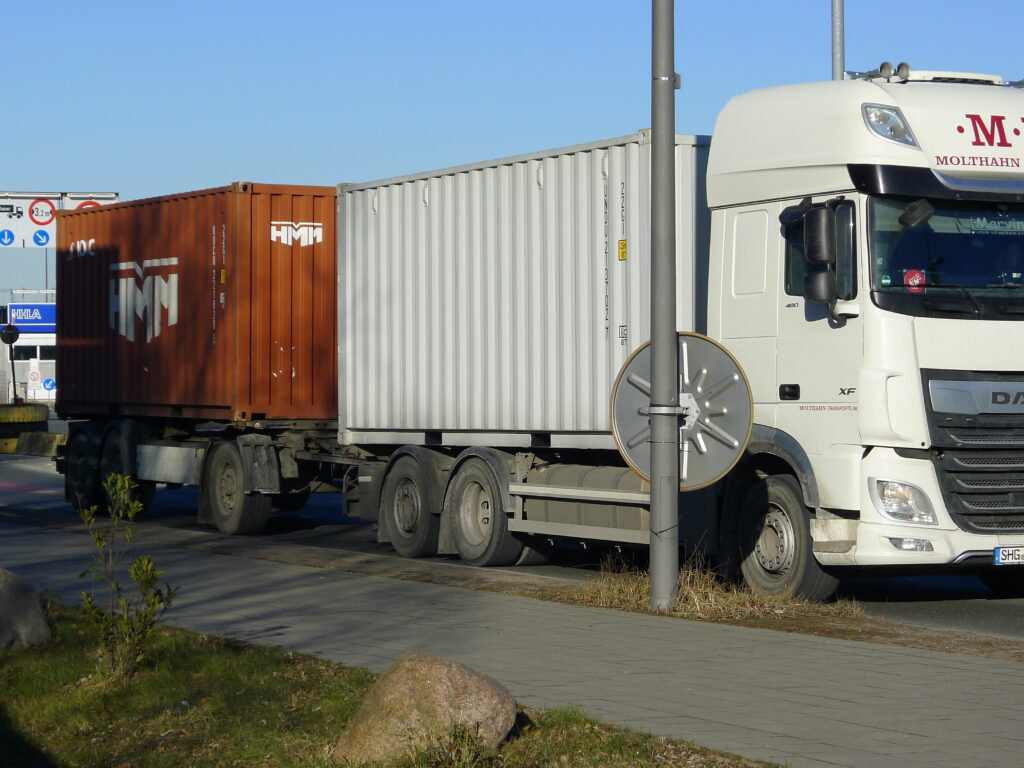
CPT – Carriage Paid To / CIF – Cost, Insurance and Freight
- Risk: transfers at handover to the first carrier (CPT) or upon loading on board the vessel (CIF).
- Costs: seller pays transport to the agreed destination/place or port.
- Insurance:
- CPT: no insurance obligation for the seller
- CIF: minimum insurance coverage required (Institute Cargo Clauses C)
- Customs: export handled by the seller, import by the buyer.
Assessment: CIF is common in maritime trade, but insurance coverage is often insufficient for high-value goods.
DAP – Delivered At Place
- Risk & costs: seller bears transport costs and risk up to the named place in the importing country.
- Insurance: not mandatory, but strongly recommended until final destination.
- Customs: import duties and VAT are borne by the buyer.
Assessment: A suitable solution for WTH GmbH when transparency and transport control are priorities.
DDP – Delivered Duty Paid
- Risk & costs: maximum seller responsibility up to delivery, including duties and taxes.
- Insurance: seller bears the full transport risk.
- Customs: seller handles import customs clearance and duties in the destination country.
Assessment: buyer-friendly, but entails significant legal and tax risks for the seller, especially without local customs expertise.
Conclusion
For WTH GmbH, Incoterms® are a strategic management tool in global trade. What matters is not only selecting the correct clause, but also the consistent fulfillment of information and cooperation obligations by both contracting parties. Especially for overseas imports, a careful balance between control, risk, and cost is essential—because clear rules ensure resilient supply chains and sustainable market success.